pull down to refresh
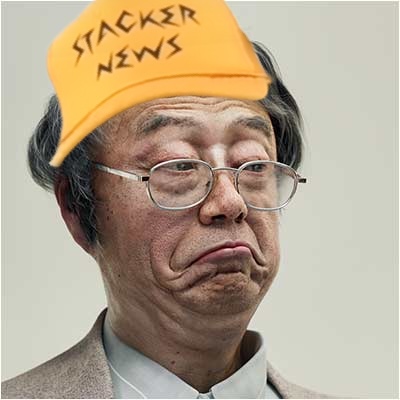
I had the most amazing meal in our teammate's (Fi3) family owned restaurant in Florence last year, it was the first time some of us met in person.
I didn't order anything ,FI3 just keept ordering food until I passed out, here's one photo.
Photo of me under the table available on request.
I think I never thought as much about it as while writing this reply so thanks for asking. I also think I didn't even use the term "war dramas" before but it's very accurate to describe what kind of shows I like to watch lol.
I think shows that try to be historically accurate and portray characters as (flawed) humans interest me for three key reasons:
- Historical accuracy itself
- Gateway to look up all kind of interesting stuff, especially technological progress and politics
- The timeless human aspect: dealing with PTSD[1], taking someone's life you never met (maybe even in close combat), seeing your friends die and deal with survivor's guilt, having to write letters back to families, ...
Historical Accuracy
Thanks to the historical aspect, you can basically see the technological progress in action. We went from fighting with sticks, bows and horses to bayonets, rifles, tanks, artillery, bombers etc. The maximized incentives (life or death scenario) are a catalyst for such progress. Michael Saylor in the Saylor series on the What Is Money show by Robert Breedlove goes in depth in this technological progress. One phrase that Saylor said in this series stuck with me: "There is no such thing as a fair fight [in nature]."[2]
But war fortunately not only accelerates the ways we can kill each other but also other technology that is useful in many ways. For example, cryptography and cryptanalysis got pretty important in WWII due to the widespread use of radio communication which can easily be intercepted. This was naturally very interesting to me. Some sources say that breaking the Enigma code was crucial for the Allies to win the war. Stuff like this isn't usually mentioned in shows but the (counter)intelligence part is. For example, mission briefings are all about intelligence: What kind of information do we have? How was this information gathered? Is it trustworthy? Is it accurate? What do we do with it?
Gateway to Other Interesting Stuff
You can also use shows about wars to get generally interested about the era it happened in since wars are like the climax of politics.
For example, I believe my "real interest" in wars started with playing Rising Storm 2 which is a first-person shooter set in the Vietnam war with an emphasis on realistic mechanics (one shot usually kills). It had a "Woodstock experience" setting where your visuals changed to being on Acid. This made me look up stuff about the Summer of Love, the War on Drugs, the Nixon Shock and the end of the Bretton Woods system which all happened in the same political era. So you could say I learned about the history of money simply by playing a video game and looking stuff up related to it.
Similar things are true for shows like Band of Brothers and The Pacific.
The Timeless Human Aspect
Shows only give you a glimpse of it since screen time is limited, it depends on the actors and there is no good way to go into detail what a specific character is thinking without breaking the flow of the show. But as with every good show, character development is still important.
I found that reading books from veterans is very good to have empathy with them. Again, thanks to RS2, I read my first such book. It was Chickenhawk from Robert Mason who flew Hueys in a transport role during the Vietnam war.[3] It was a great book and it got me hooked on reading more from other veterans. I especially liked it because it starts with his relatable desire to fly helicopters and the US Army gave him this chance since they would pay for his training.[4] However, while training he did not imagine that he would fly helicopters while getting shot at one day. The vietnam war broke out after he graduated where he then developed PTSD and had to give up flying because of that. A very tragic story including the treatment of such veterans after the war (which relates back to the Summer of Love and the politics of the war).
What is also interesting is to watch a show and then read the book on which the show is based on and spot differences. Sometimes, these differences are only in detail, sometimes, they are pretty big. The show was already pretty brutal but then you read the book and you're like... oh, that wasn't even close, lol.
I also like to watch interviews like this one from Major Dick Winters.
Depending on the time, psychological trauma endured during war was called shell shock, soldier's heart or war neurosis. ↩
Not sure if it was in the first episode but here is the link anyway. ↩
Flying transport helicopters was my favorite part of the game. ↩
This was very similar to what I almost did after school. I also wanted to become a helicopter pilot and was thinking about joining the military for this. I didn't since I didn't want to enlist for multiple years even if I wasn't able to go down the officer path and become a pilot. ↩
This would have been a perfect opportunity for you to use the text description option to explain why you thought this article was useful. It could spur useful conversation.
Making a tutorial to teach to make a new SeedSigner in the next local Bitcoin meetup. https://stacker.news/items/213346 ⚡️that's it